Teaching
How I teach
I improve my teaching methods constantly, just as software engineering practices keep improving. Right now my courses are project-based, and each one ends with students presenting a final product. In the senior capstone, teams build a full application over one semester and present it at a showcase, and the product is something other people can use. In Winter 2027 I will bring the same final-presentation format to a graduate course, Software Quality Assurance. The course will end in a conference-like event where every student presents their work, and I will invite internal and external experts as panelists to judge and give feedback.
Courses
The capstone
Each team works in two-week sprints with a backlog, stand-ups, and retrospectives. Students take roles such as Scrum Master, front-end developer, back-end developer, and documentation lead, and they adjust the roles to fit their project. Code goes in through pull requests that a teammate reviews, and every team deploys to real infrastructure. At the end of the semester, peer reviews, a quality rubric, and a survey tell me what to change for the next cohort.
Starting in Winter 2027, teams will also work for real clients. I have been soliciting projects from EMU and the nearby community, and as of November 2026 I have three or four potential projects from real people that students will work on.
What students have built
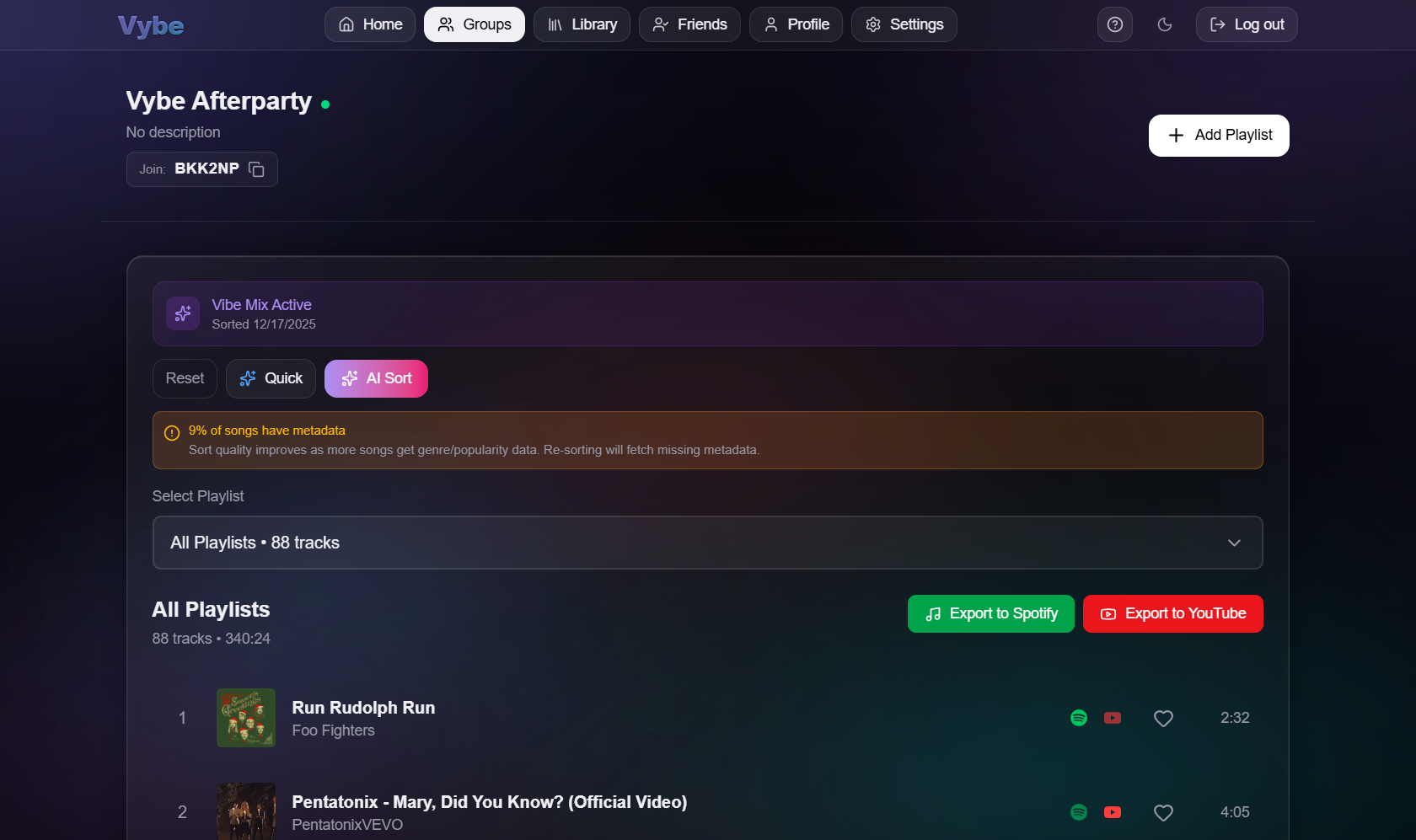
Vybe
Cross-platform music sharing app that bridges Spotify and YouTube. Shared groups, combined playlists, and a Song of the Day feature.
Built by Vas Anbukumar, Charles Thorn, Ezzat AbdelKhalek, Fahd Algahmi, S Ly, Hayoung Jung, and Darius Robinson.
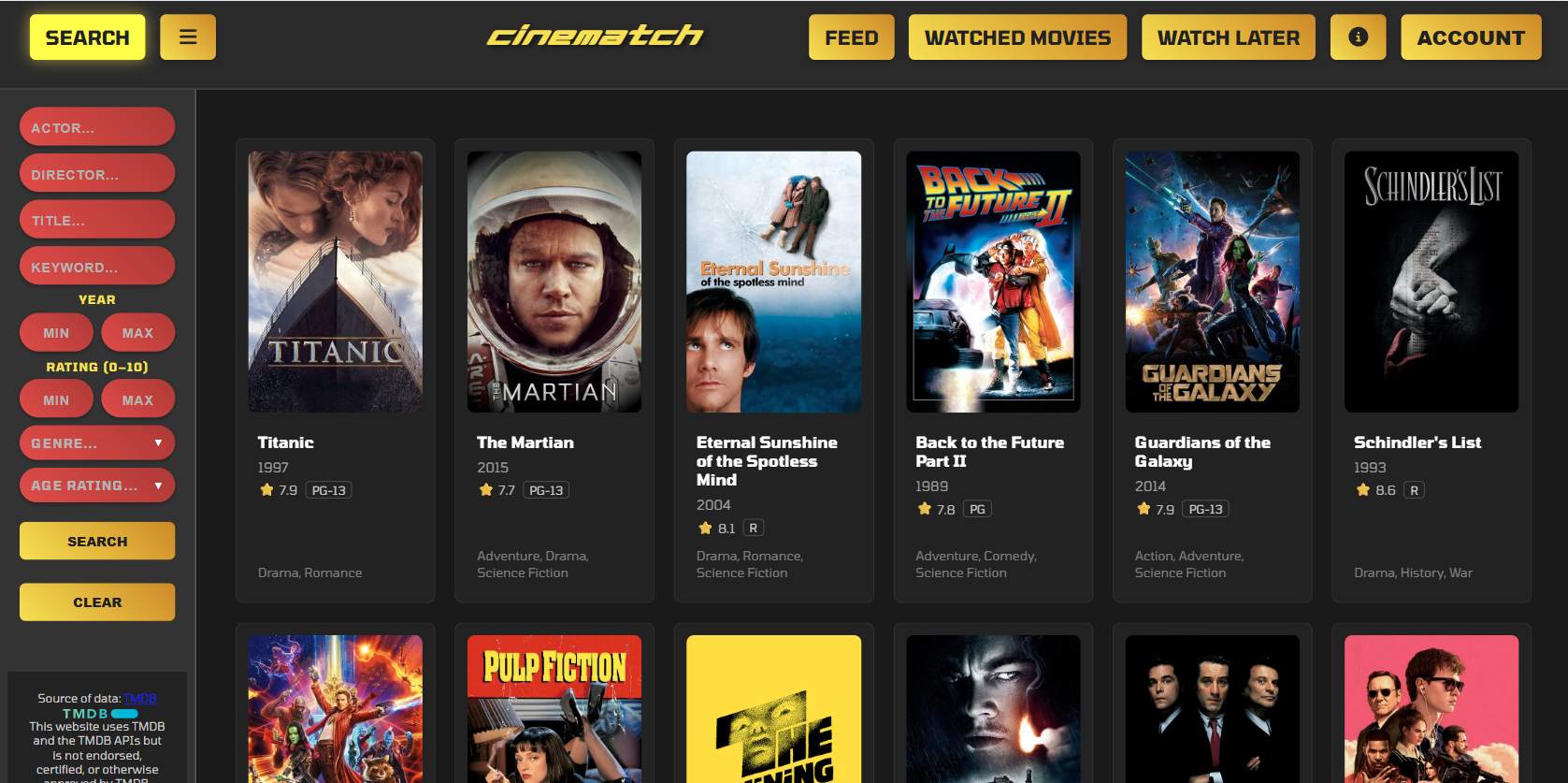
CineMatch
Movie recommendation engine that learns from user ratings. Rate movies you have seen, get personalized suggestions, save favorites.
Built by Yousif Shkara, Andrew Higgins, Caleb Bujauskas, Eric Eggleston, Jacob Henderson, Owen O'Brien, and Dujuan Owens.
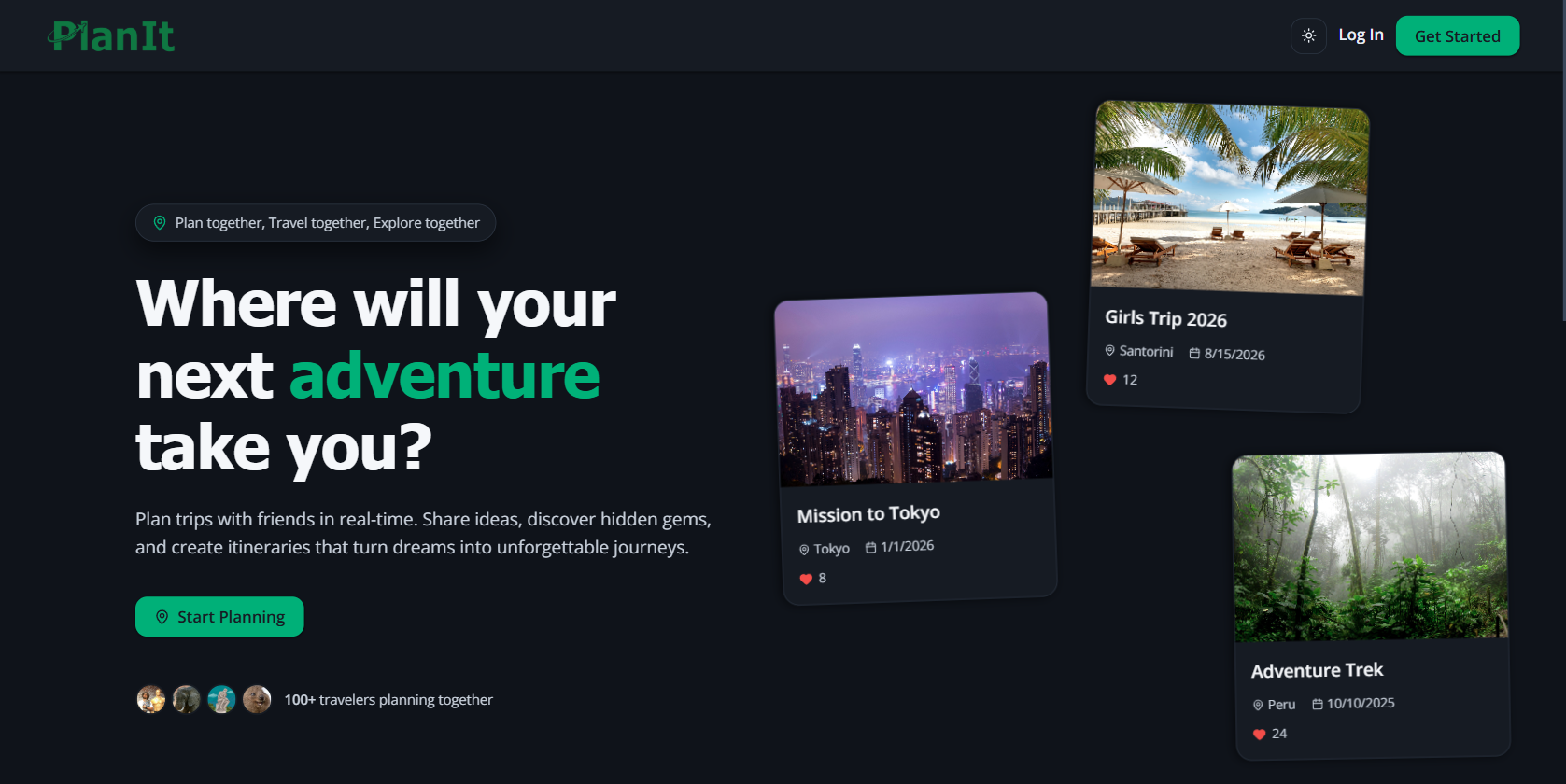
PlanIt
Trip planning web app for organizing destinations, activities, and travel times in a single interactive itinerary.
Built by Hunter Martin, Hassan Mouzaihem, Adam Snowgold, Oliver McMillen, Chris Liakos, Andrew Hainsworth, Kayla Petrovich, Olivia Daniels, Angelia Philip, and Autumn Keough.
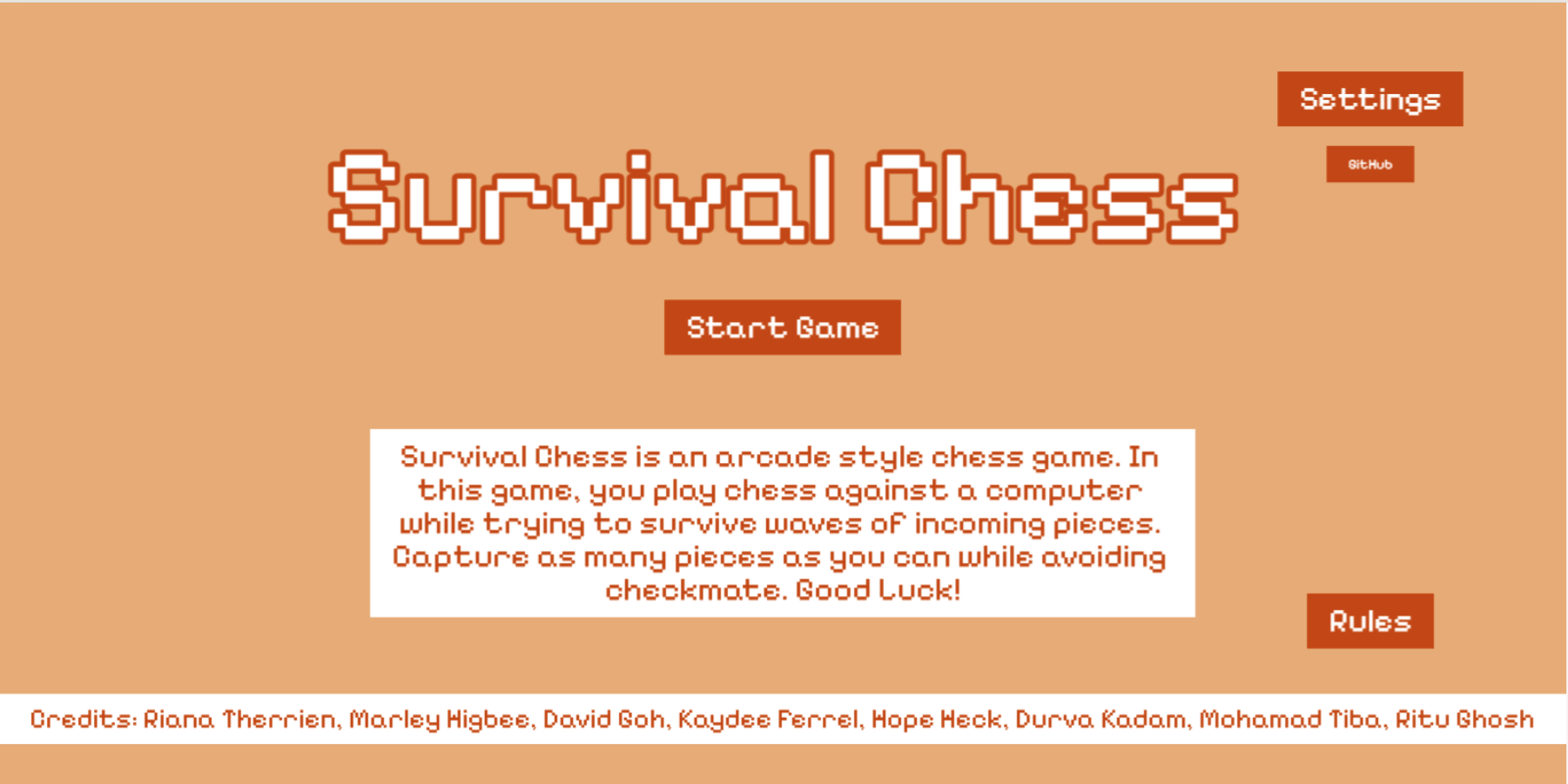
Survival Chess
Arcade-style chess survival game: defend against waves of attacking pieces. Built by an eight-person team using Scrum, with pre-commit hooks, ESLint, and Jest tests.
Built by Riana Therrien, Marley Higbee, David Goh, Hope Heck, Ritu Ghosh, Kaydee Ferrel, Mohamad Tiba, and Durva Kadam.
Capstone showcase
Summer camps
I run a sensory-friendly LEGO SPIKE Prime coding camp for neurodivergent students in grades 6 to 12. The 2025 pilot camp used Scratch and ran for one day with two students. The 2026 camp ran for three days in July with nine campers. A 2027 camp is in preparation. More about the camps is on the research page.