Engineering the Capstone
I designed a sprint-based engineering curriculum, taught the capstone for 12 semesters since 2019, and iterated against measured outcomes.
The System
Sprint-Based Curriculum
Agile sprints with product backlog items, stand-ups, and retrospectives. Students experience the same workflow they'll use in industry.
Real Team Roles
Scrum Master, Front-end Dev, Back-end Dev, AI Dev, Documentation Specialist. Teams refine these roles over the semester to fit their project, and each student owns what they take on.
Engineering Discipline
Branching strategies, PR-based code reviews, deployment pipelines. No shortcuts — teams learn by doing it right.
Outcome Measurement
Peer reviews, quality rubrics, and end-of-semester surveys. Success is measured by what ships and what students learn — and each cohort shapes the next.
Recent Shipped Products
Four recent examples from 2025 — full-stack applications and games shipped in one semester by student teams I guided through engineering, process, communication, and final demo.
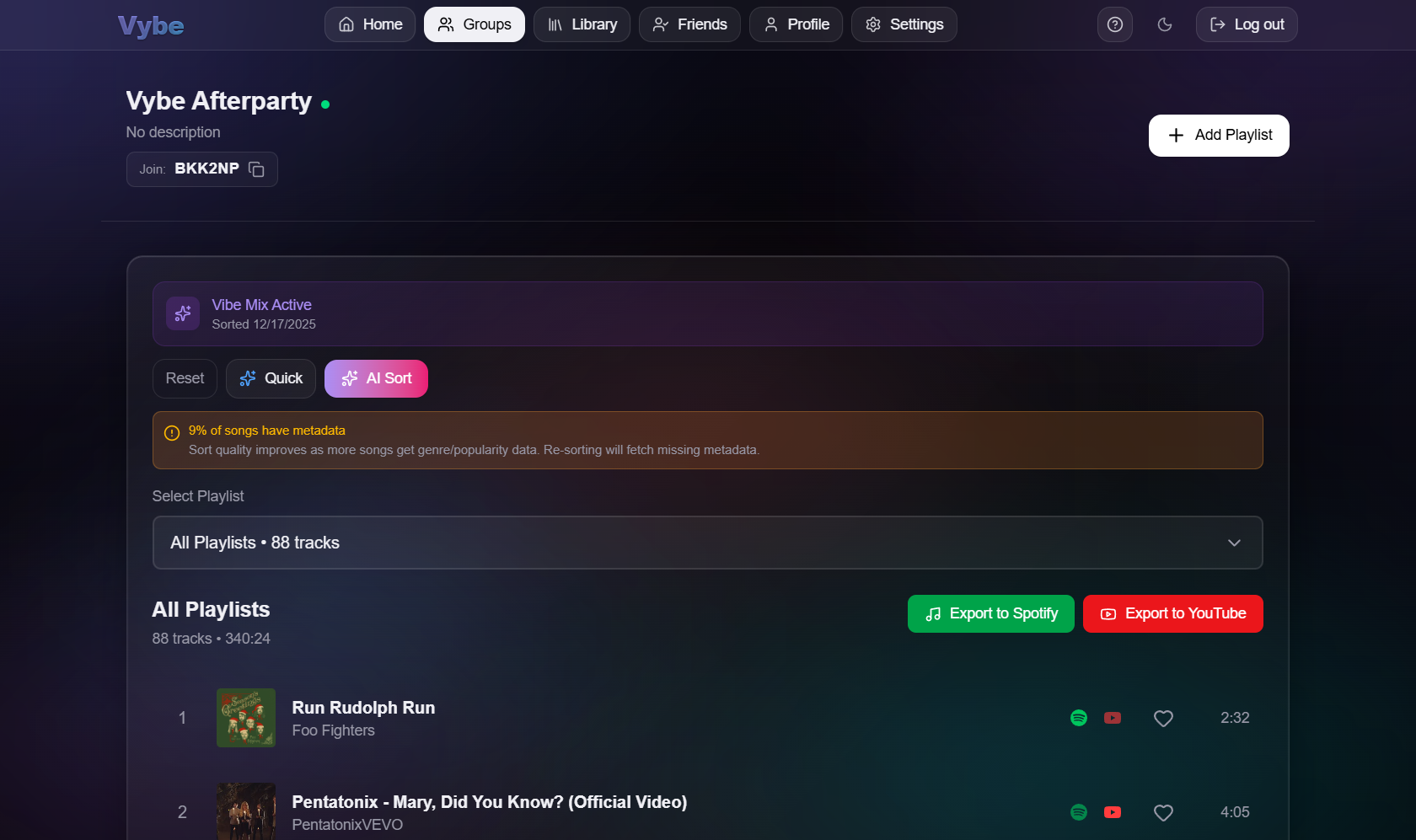
Vybe
Cross-platform music sharing app that bridges Spotify and YouTube. Shared groups, combined playlists, and Song of the Day feature.
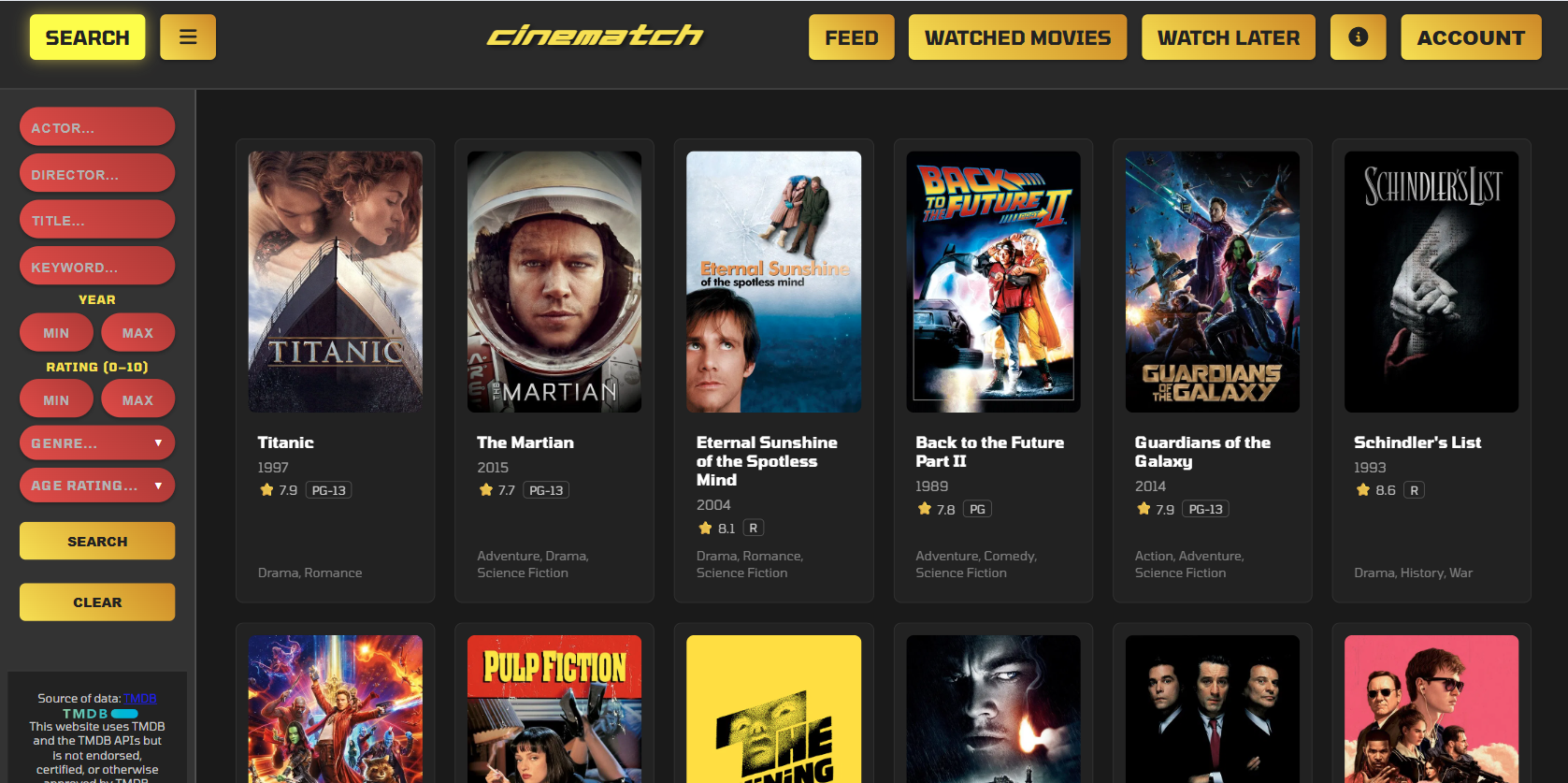
CineMatch
Movie recommendation engine that learns from user ratings. Rate movies you've seen, get personalized suggestions, save favorites.
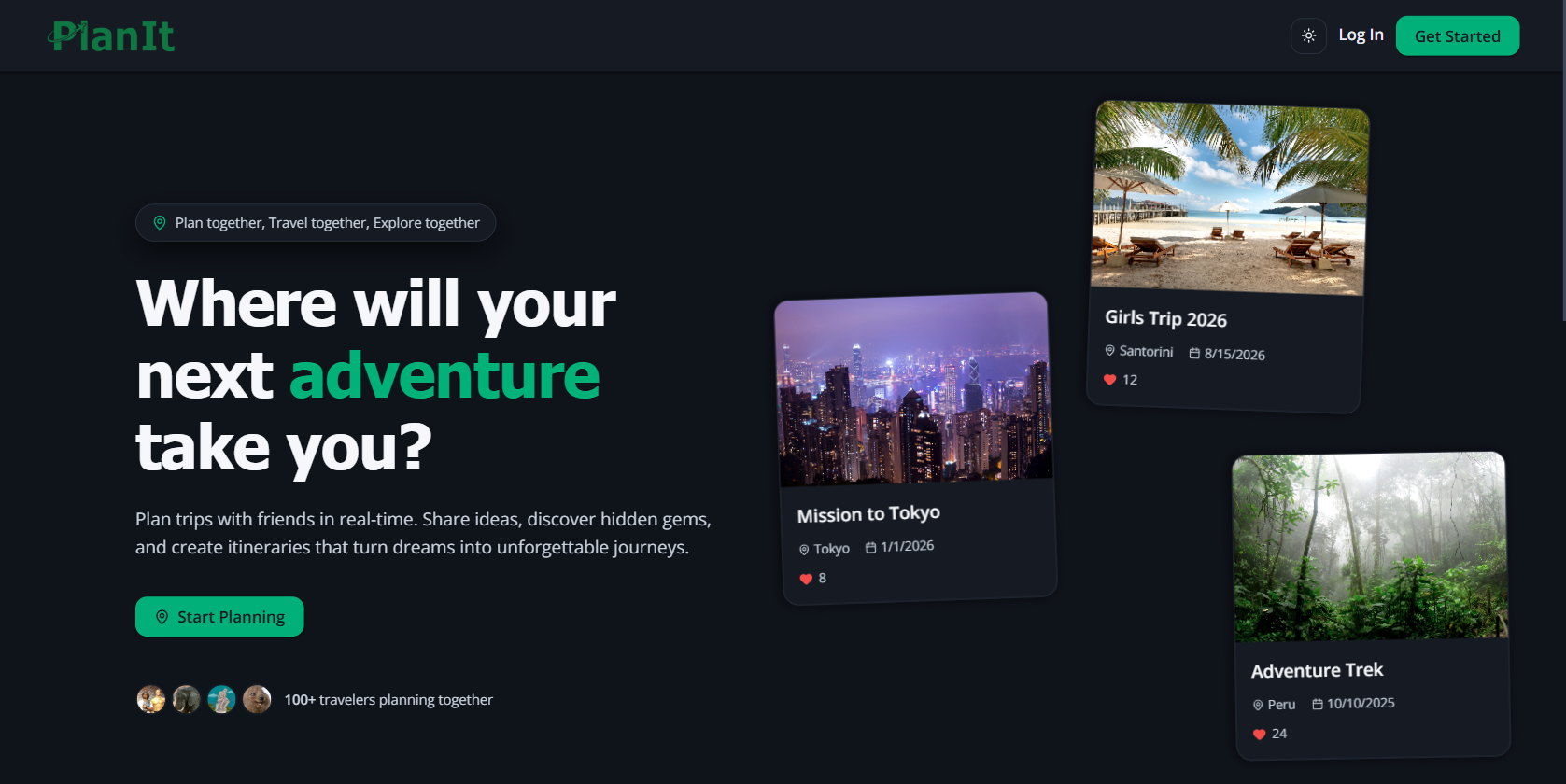
PlanIt
Trip planning web app for organizing destinations, activities, and travel times in a single interactive itinerary.
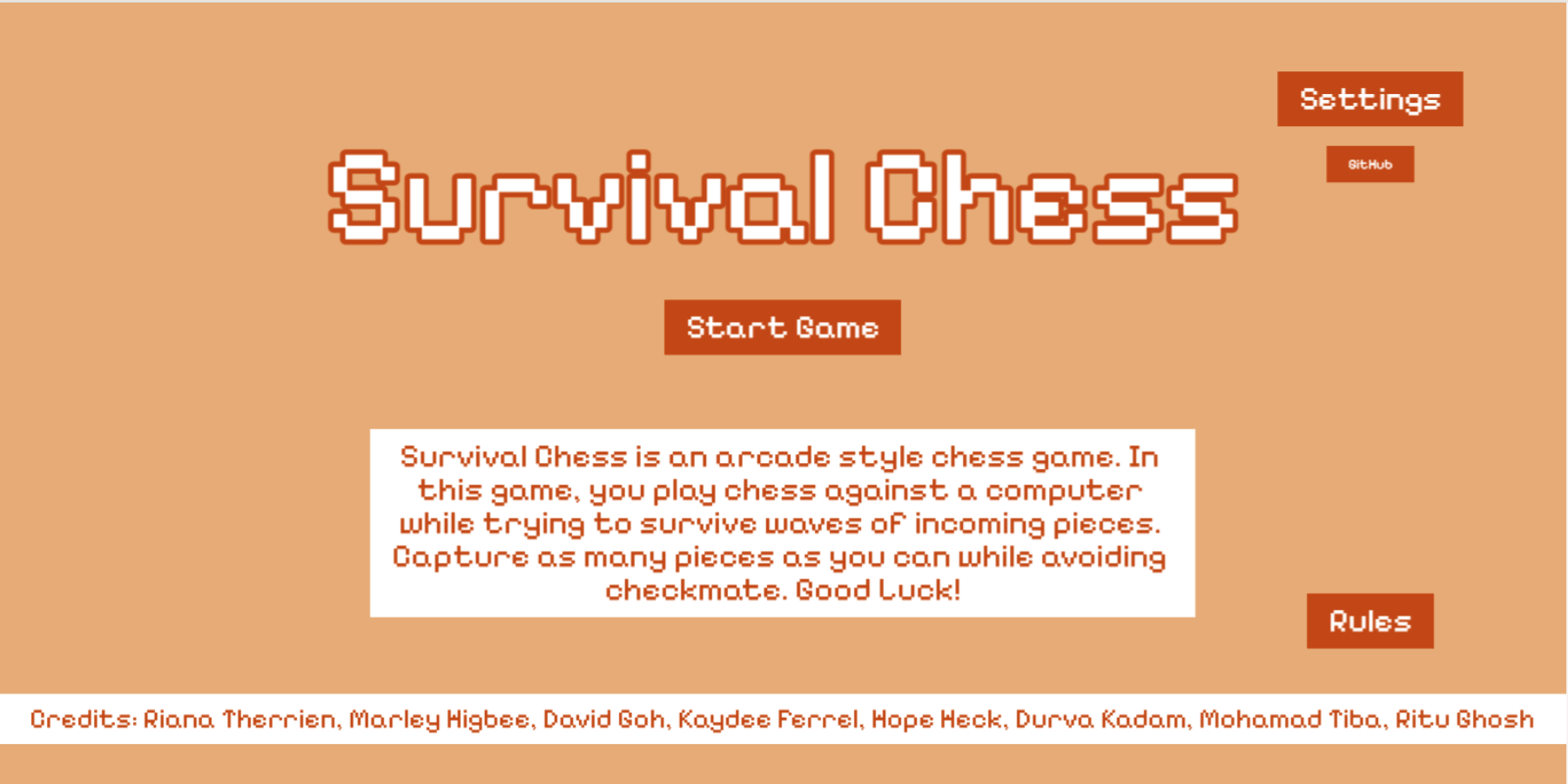
Survival Chess
Arcade-style chess survival game — defend against waves of attacking pieces. Built by an 8-person team using SCRUM, with pre-commit hooks, ESLint, and Jest tests.
"Students don't just learn to code — they learn to ship. Each team runs sprints, manages a backlog, does code reviews, and deploys to production infrastructure."